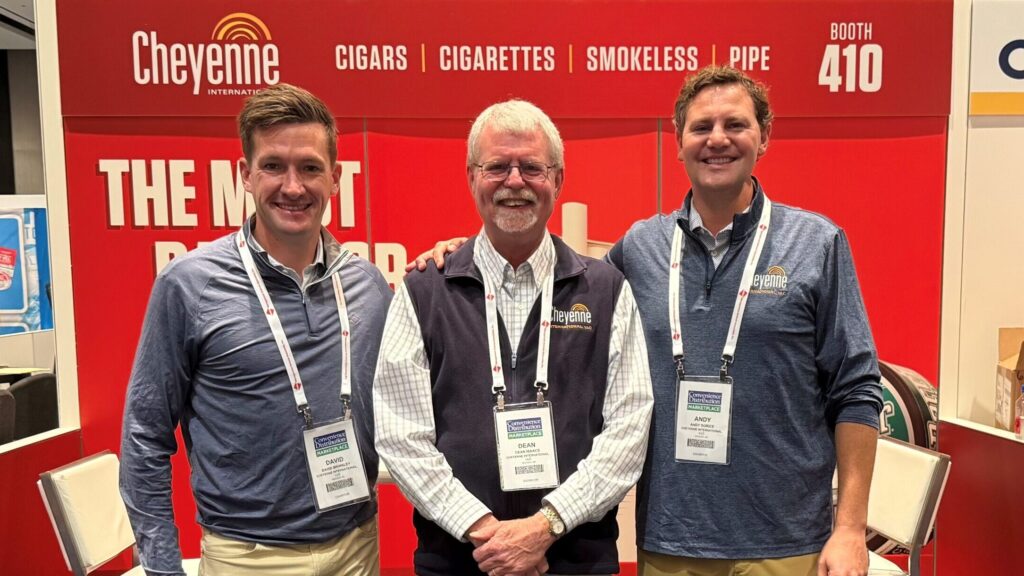

Data-Driven Decisions in a Human-Centered Industry
Walk into almost any convenience store or tobacco retailer and you’ll see a category that is deeply rooted in habit, preference, and loyalty. Customers know what they like. They often buy the same product every time. And many retailers know their regulars well enough to predict what they’ll ask for before they even reach the counter.
That’s what makes the tobacco industry unique. It’s a business built on people.
At the same time, the modern retail landscape is more data-driven than ever. Sales reports, scan data, and category analytics now give retailers and wholesalers powerful insights into what products are performing and where growth opportunities may exist.
The challenge – and opportunity – is learning to balance both.
The Value of Data
Data provides clarity. It highlights what’s selling, what’s slowing down, and where retailers may be leaving money on the table.
Looking at category performance can quickly reveal important patterns:
- Which SKUs consistently drive the most volume
- Which price points resonate with shoppers
- Which products deserve more shelf visibility
- Where assortment gaps might exist
When retailers rely on data, they can make more informed decisions about inventory, merchandising, and promotional strategies. Instead of guessing, they can see exactly where the category is moving.
But numbers alone don’t tell the full story.
The Human Side of Tobacco: Why Relationships Still Matter
Tobacco has always been a relationship-driven industry.
Retailers build loyal customer bases by understanding what their shoppers want. Distributors and sales teams spend years developing partnerships built on trust. Conversations at the store level often uncover insights that never appear in a sales report. Examples include:
- A regular customer asking for a product that isn’t stocked yet.
- A promotion that’s working particularly well in one region.
- A new product gaining traction among certain demographics.
These real-world insights often surface through relationships long before they show up in the data.
Where the Two Come Together
The strongest category strategies happen when data and relationships work together.
Data may highlight a national trend. Relationships help determine whether that trend will resonate locally.
For example, a retailer might see through sales reports that certain filtered cigar SKUs are gaining traction nationwide. Conversations with experienced sales reps can provide additional context – how those products are performing in nearby markets, how retailers are merchandising them, and which promotions are driving movement.
That combination of insight helps retailers make decisions with greater confidence.
A Category Built on Partnership
The tobacco category has always thrived on collaboration between retailers, distributors, and manufacturers. Each partner brings a different perspective to the table:
- Retailers understand their customers and local buying habits.
- Distributors understand regional trends and operational logistics.
- Manufacturers bring category insights and product innovation.
When those perspectives are shared openly, the result is a stronger, more profitable category for everyone involved.
Moving Forward with Balance
Technology will continue to make retail more data-driven. That’s a good thing – it allows businesses to operate smarter and identify opportunities faster.
But in an industry built on trust, experience, and long-standing partnerships, numbers alone will never replace human insight.
The best decisions in tobacco retail don’t come from data alone. They come from combining the numbers with the relationships that help bring those numbers to life.
And in a human-centered industry like this one, the balance will always matter.